Short winter days and overcast weather make light the biggest hurdle for keeping houseplants thriving year-round. When natural window light drops off, plant growth stalls, leaves turn pale, and leggy stems start stretching out.
The good news? You don’t need an unsightly lighting setup to keep your plants happy. Modern grow lights come in clean, warm-white tones that blend seamlessly into home decor while giving your foliage the full spectrum of light it craves. Here is a straightforward guide on what specs to look for when buying grow lights and how to position them for maximum impact in your home.
What to Look for When Buying a Grow Light
Grow light packaging can feel overwhelming. Focus on these three simple features:
- Full-Spectrum Warm White: Avoid the outdated red/blue lights. Full-spectrum LED bulbs produce a crisp, natural white light (around 3000K to 4000K) that looks like gentle sunlight to your eyes while providing all the wavelengths your plants need for photosynthesis.
- LED Technology: LED bulbs consume very little electricity, stay cool to the touch, and last for years without emitting excess heat that could scorch leaves.
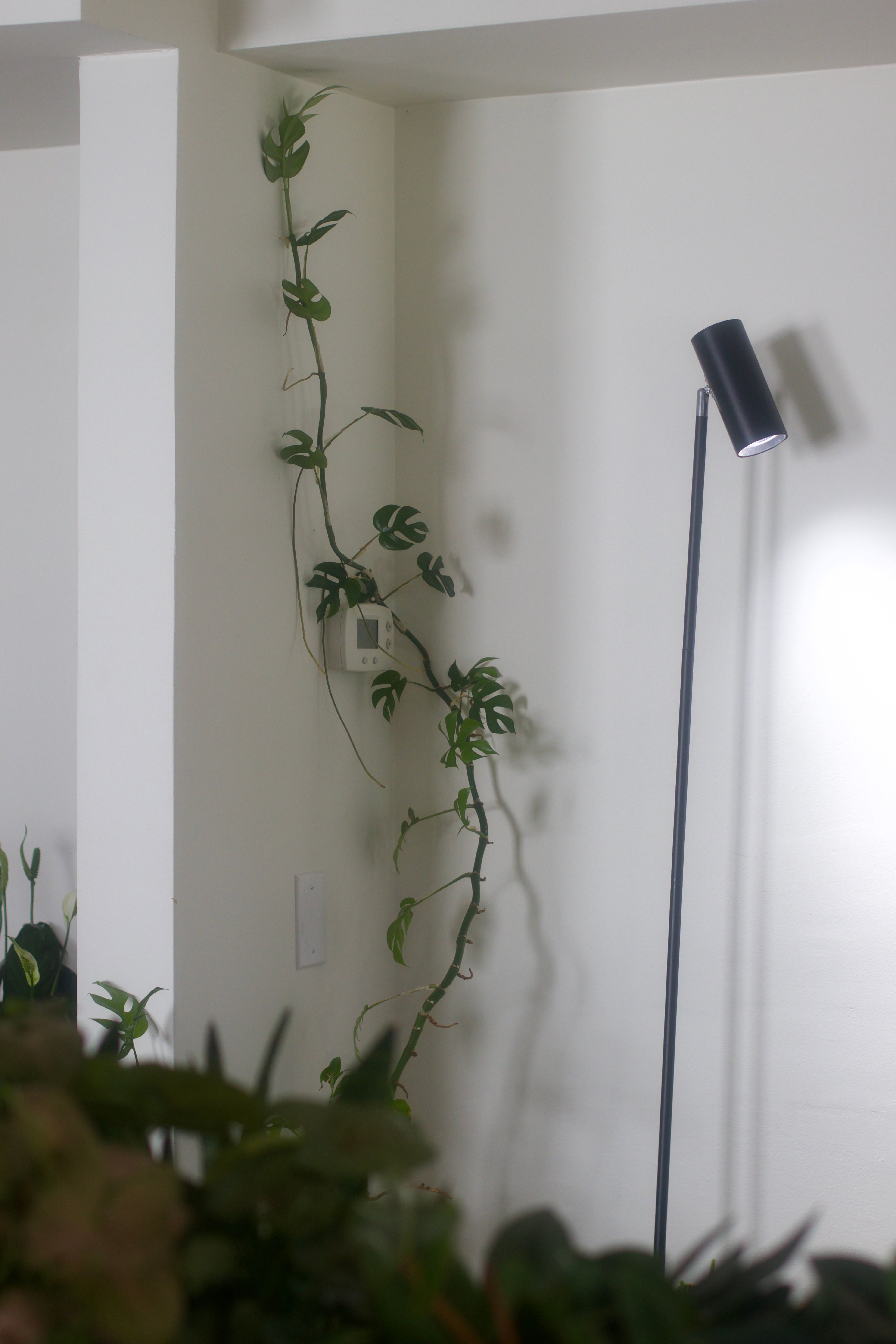
- Standard Screw-In Bulbs vs. Fixtures: You don't always need dedicated grow light fixtures. Buying standard screw-in LED grow light bulbs allows you to turn any ordinary desk lamp, floor lamp, or pendant fixture into a functional plant light.
Where to Put Your Grow Lights
Having a great bulb is only half the battle, distance matters just as much as brightness. Light intensity drops off rapidly the further away a bulb gets from the leaves.
Distance Guidelines by Plant Type
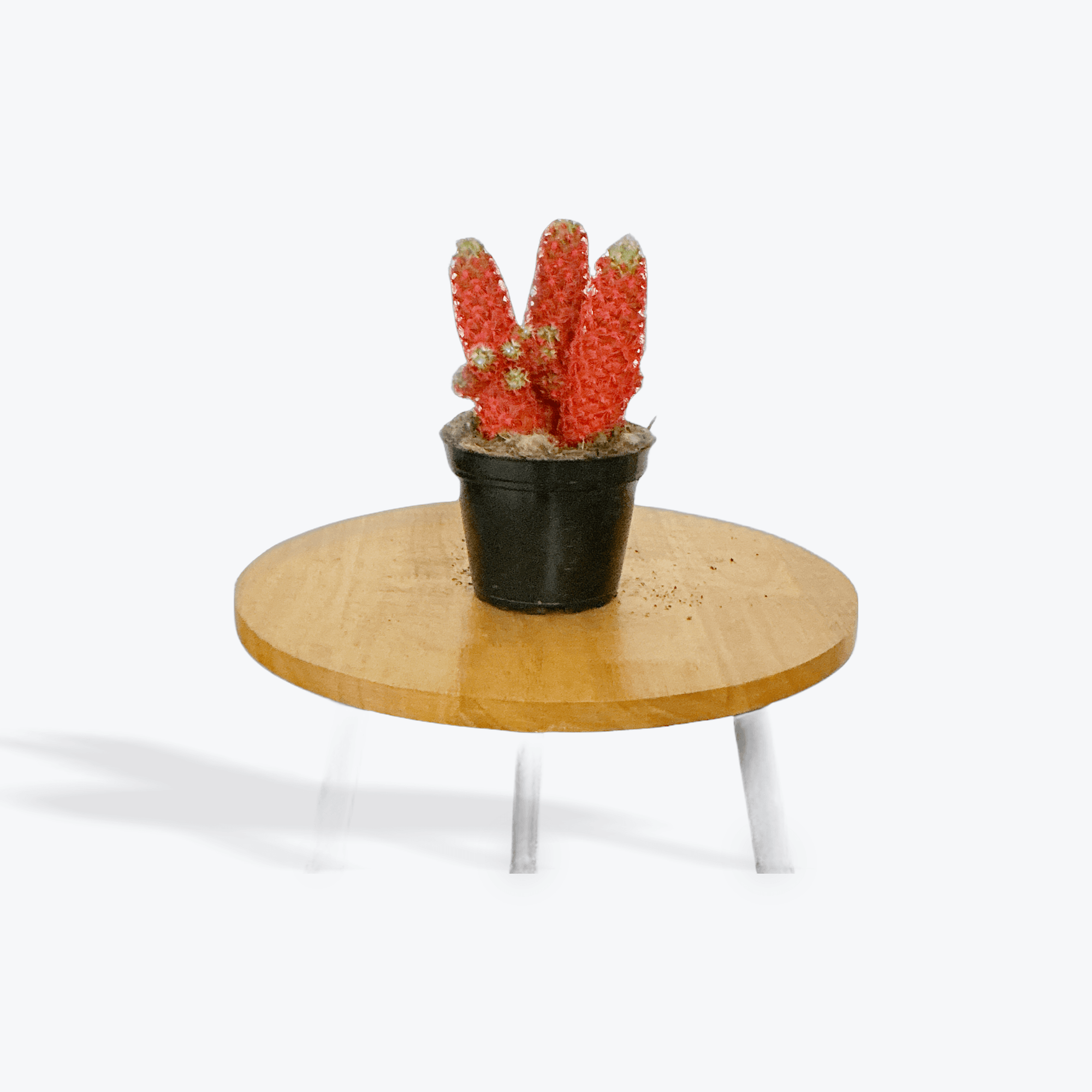
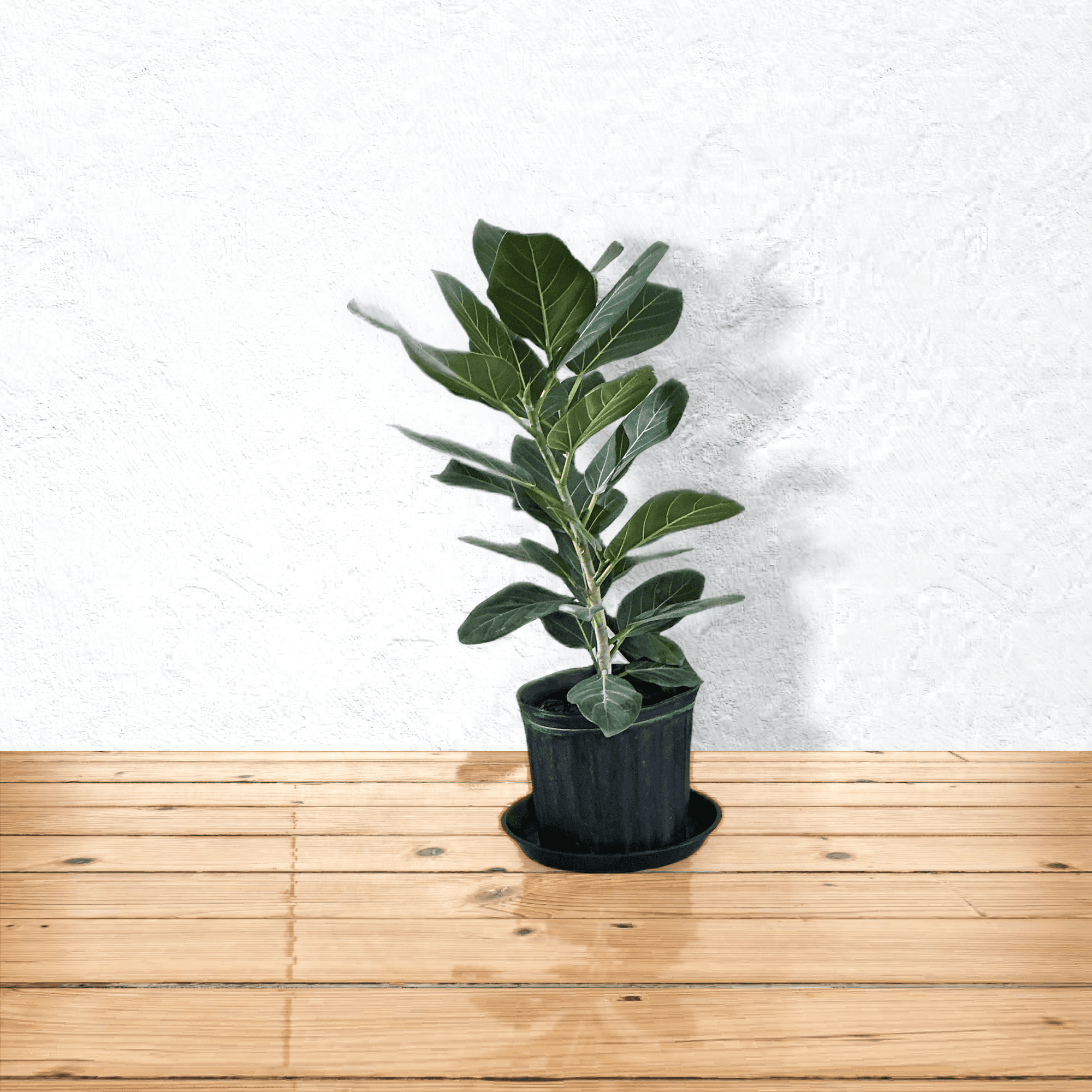
- High Light (Succulents, Cacti, Ficus, Hoyas): Position the light 6 to 12 inches directly above the top leaves.
- Medium Light (Monsteras, Philodendrons, Pothos, Syngoniums): Position the light 12 to 24 inches above the plant canopy.
- Low to Moderate Light (Snake Plants, ZZ Plants, Ferns, Calatheas): Position the light 24 to 36 inches above the plant.
Placement & Timing Tips
- Point Light from Directly Above: Plants naturally grow toward their light source. Placing a light directly over the center of your plant setup encourages upright, symmetrical growth rather than leaning or crooked stems.
- Use an Automatic Timer: Houseplants need a consistent daily light cycle as well as dark hours to rest. Set a simple plug-in or smart timer for 12 to 14 hours per day during fall and winter.
- Go Deeper: Ultimate Houseplant Lighting Guide & How Often to Water Houseplants in Winter
Grow Light Options for Every Setup
- Screw-In Bulbs: Best for highlighting individual specimen plants in existing home fixtures, architectural desk lamps, or hanging pendant shades.
- Halo / Stake Lights: Small LED rings on telescopic stakes that insert directly into a plant’s pot. Great for single floor plants tucked into dark corners away from windows.
- Under-Shelf Light Bars: Flat, mountable LED strips that attach beneath plant shelves or bookcases. Ideal for propagation stations, small potted collections, and plant display cabinets.
Need Help Lighting Your Space?
If you are unsure whether your plant corner is getting enough natural light or need recommendations on setting up grow lights for your collection, pop into our Westerville or Dublin shops! We are always happy to troubleshoot your setup and help your plants stay vibrant all year long.