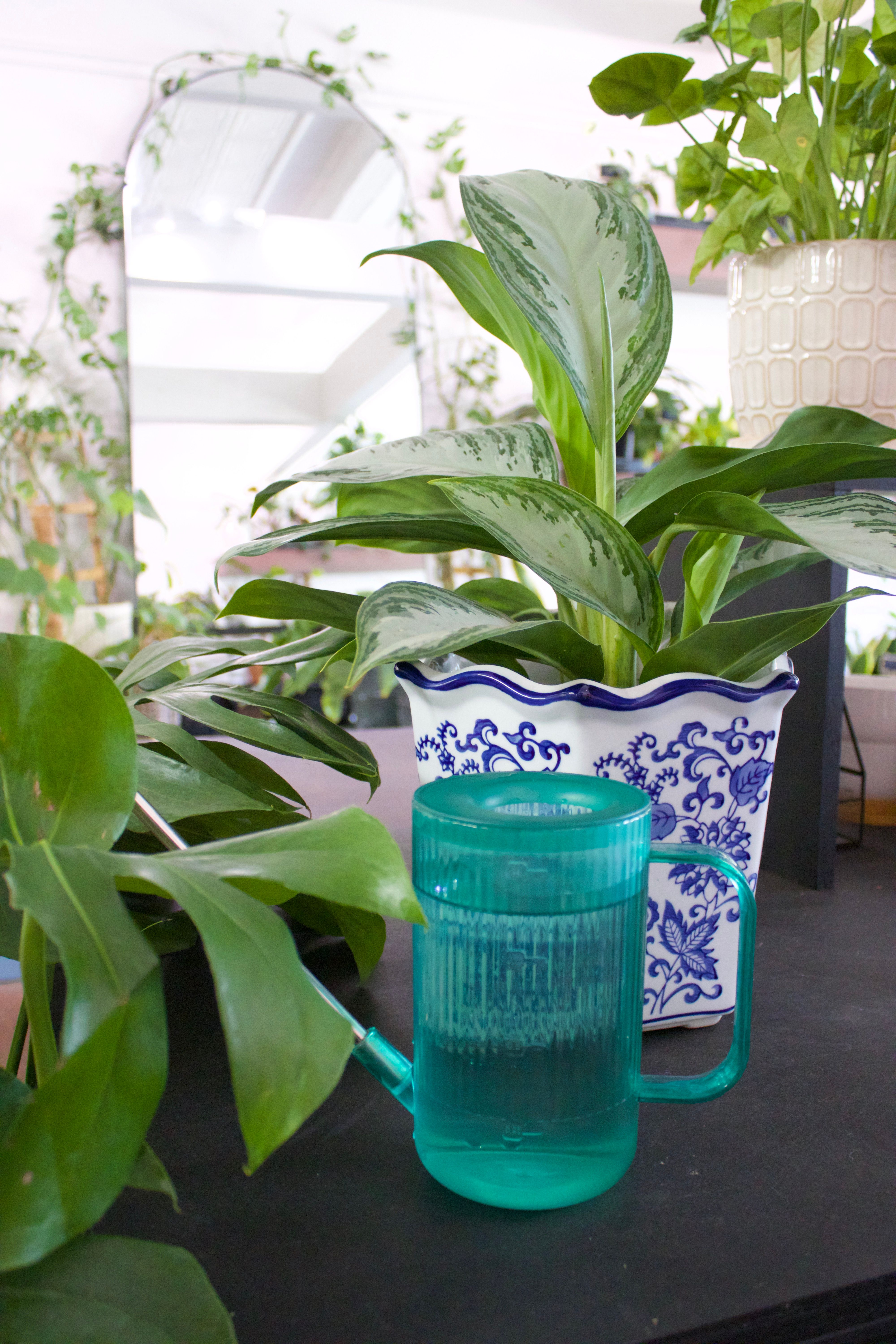
When November hits, the central heat kicks on, and indoor plant care changes.
It creates a confusing trap: dry furnace air dries out the top layer of soil within days, so it looks like your plant is thirsty. But because days are shorter and natural sunlight drops dramatically, your plant's metabolism slows down to a crawl. It stops actively growing and drinks water much slower than it did in July. When you add water just because the surface looks dry, that extra moisture sits trapped at the bottom of the pot around dormant roots.
If you have ever lost a favorite plant to root rot in the middle of winter, here is what is actually changing, how to check for real moisture, and how to adjust your watering routine.
Why the Top Inch Lies to You in Winter
In the spring and summer, warm air and active plant growth draw moisture evenly out of the pot from top to bottom. In winter, dry forced heat from your vents rapidly evaporates water off the exposed surface soil, while the bottom two-thirds of the pot stays damp and cold.
Checking only the top inch of soil in the colder months will trick you into watering a plant whose root system doesn’t need it. Relying solely on a calendar schedule or the top layer of soil is the fastest route to soggy roots.
3 Simple Ways to Check Soil Before You Water
Before reaching for the watering can this winter, use one of these reliable tests to check what is happening down where the roots actually live:
1. The Lift Test (Best for Small to Medium Pots)
Pick up the pot! Wet soil is surprisingly heavy, while completely dry soil is light. Once you get used to the "dry weight" vs. "wet weight" of your potted plants, lifting the pot gives you an instant, accurate answer without disturbing the soil.
2. The Finger Test
Don't just check the surface. Press your index finger two to three inches straight down into the soil toward the center of the root ball. If it feels cool and damp or if dark soil clings to your skin, hold off on watering.
3. The Wooden Chopstick Test (Best for Large Pots & Deep Planters)
For big pots that are too heavy to lift (like a mature Monstera or Ficus), push a bare wooden chopstick or similar tool deep into the soil near the center, leave it for 10 seconds, and pull it out. If it comes up dark, damp, and covered in soil bits, skip watering. If it comes out dry and clean, it's time for a drink.
The Exceptions: Plants That Still Drink Steadily
While most tropicals scale back their water intake during dark winter months, a few key exceptions still need consistent moisture:
- Plants Living Under Grow Lights: If your plants are under bright, full-spectrum LEDs for 12 to 14 hours a day, their environment hasn't changed! They will continue growing actively and drinking at a summer pace.
- Thin-Leaved Moisture Seekers (Ferns, Calatheas, Marantas): Plants with delicate, paper-thin leaves still transpire moisture rapidly in dry indoor heat. Their soil should stay lightly damp (never bone-dry, but never waterlogged).
- Thirsty Epiphytes in Small Clay Pots: Terracotta breathes and pulls moisture out of the soil quickly. Smaller clay pots near heat vents may still dry out completely between waterings.
What to Do If You Already Overwatered
If you notice yellowing lower leaves, soft black stems, or soil that has stayed soggy for more than two weeks, don't panic. Here is how to salvage the plant before root rot sets in:
- Move It to a Warmer, Brighter Spot: Give the plant slightly more light and indirect airflow to help the soil evaporate excess moisture naturally.
- Aerate the Soil: Gently poke a few holes straight down into the damp soil using a chopstick to open up air channels down to the roots.
- Repot if Necessary: If the soil smells sour or leaves keep turning mushy, slip the plant out of its pot, gently brush away the soggy soil, snip off any dark or mushy roots, and repot into fresh, well-draining substrate like our Aroid Mix or Dry Mix.
Need Help Rescuing a Winter Plant?
If you are unsure whether your plant is suffering from winter dry air or overwatering, bring it by the Plant Bar at our Westerville or Dublin shop! We can inspect the roots, check the soil moisture, and help you get your collection safely through the winter season.