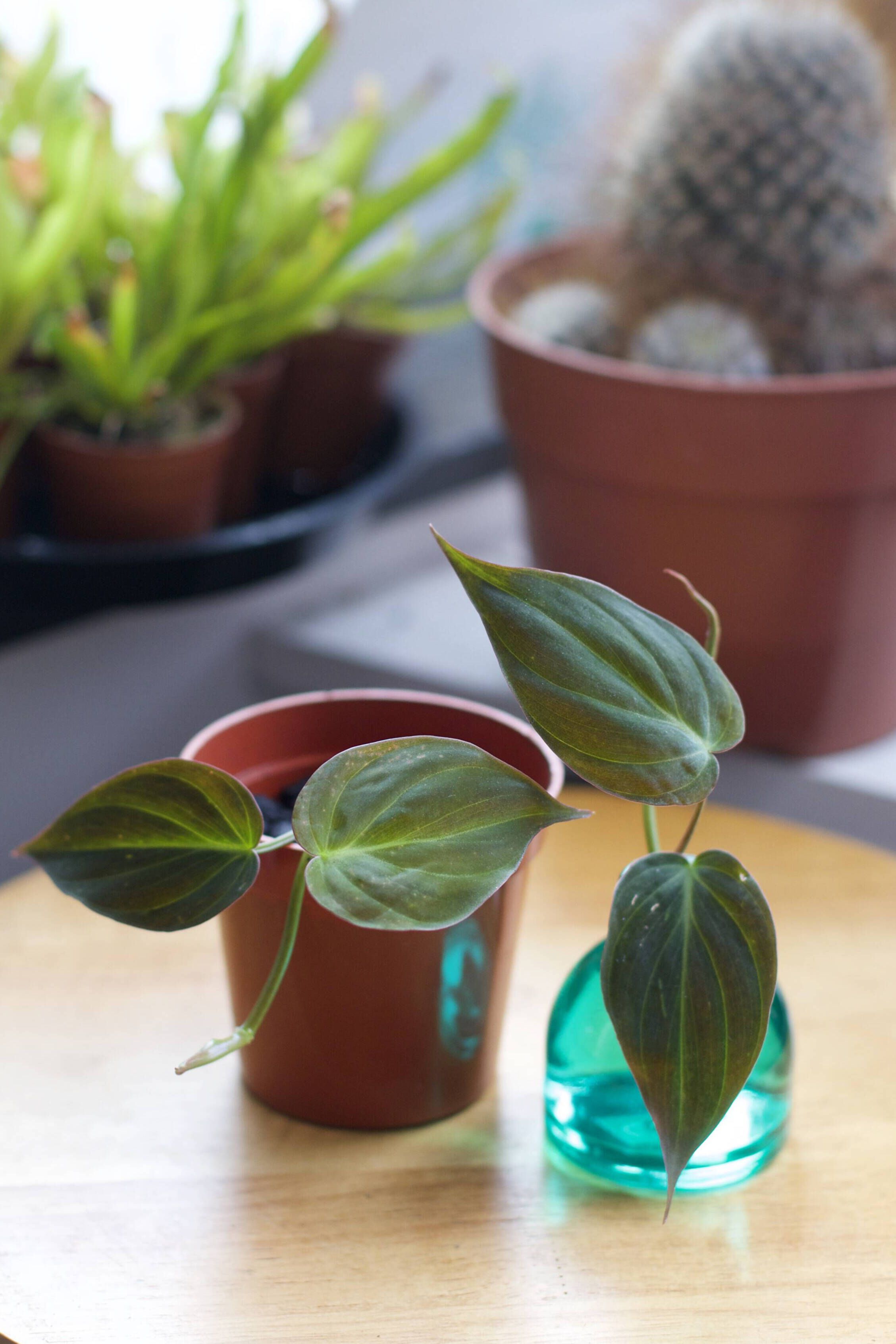
If you’ve spent any time in the plant community, you’ve likely seen the debate. On one side, you have the "Prop Jar" enthusiasts who love the aesthetic of green vines trailing out of glass vessels on a sunny windowsill. On the other hand, you have the soil people who insist that you can go right into dirt with your plant.
So, which one should you choose for your next project? As it turns out, the "better" method depends entirely on your personality as a plant parent and the specific plant you’re trying to multiply.
Water propagation is one of the most fun parts of indoor gardening. It’s simple, it’s clean, and it’s undeniably rewarding. Plus, it is so satisfying to watch.
Why it’s great:
- Zero Guesswork: You can see exactly when roots emerge. This visibility allows you to catch issues like rot before you waste weeks of effort.
- Low Maintenance: Aside from a water change to refresh the oxygen levels, it’s a "set it and forget it" method.
- The Aesthetic: A row of glass propagation stations looks incredible. It turns your plant experiments into home decor.
The Catch:
The biggest hurdle with water propagation is transplant shock. Roots grown in water are biologically different from those grown in soil,they are more fragile and specialized for pulling oxygen from liquid. When you finally move that cutting into dirt, the plant might struggle while it grows "soil-ready" roots. This shouldn’t be a big issue in non-fussy plants like Pothos, but is just something to keep in mind. When initially planting up a fresh water propagation, just keep the soil a little more watered than you might have with the mother plant for a couple weeks, then resume normal watering and care.
Skipping the water and going straight into a potting medium is the preferred method for many professional growers and serious collectors.
Why it’s great:
- Built-In Strength: Roots grown in soil are sturdier, and ready to absorb nutrients immediately.
- Faster Long-Term Growth: Because the plant doesn't have to undergo a "transition phase" from water to dirt, it typically starts pushing out new leaves much sooner than a water-rooted cutting.
The Catch:
The mystery factor. You can’t see what’s happening beneath the surface. You have to rely on a bit more patience and trust, and possibly gently "tugging" the plant gently to check for resistance, and it’s much easier to accidentally let the soil dry out or, conversely, become too soggy and cause rot.
Choose Water if...
- You’re a beginner.
- You want to decorate your space with cuttings.
- You’re propagating Pothos, Philodendrons, or Monsteras (they are hardy enough to handle the transition shock).
Choose Soil if...
- You’re propagating Succulents, Hoyas, or Sansevieria.
- You want the fastest possible path to a bushy, established plant.
- You have a consistent watering routine and won't let the prop-pot dry out.
Ready to start your own experiment? Whether you need a beautiful glass prop station, a professional-grade propagation starter kit, or the perfect soil mix to get started, stop by the shops! We’ll help you pick the right tools for whichever team you’re on.
Are you Team Water or Team Soil? Show us your setup by tagging @overgrowncbus!
As always, our in-store employees are also available to provide personalized guidance and assistance with your plant questions. If you're looking for more expert advice, exclusive content, and a community of fellow plant lovers, be sure to sign up for our newsletter below!