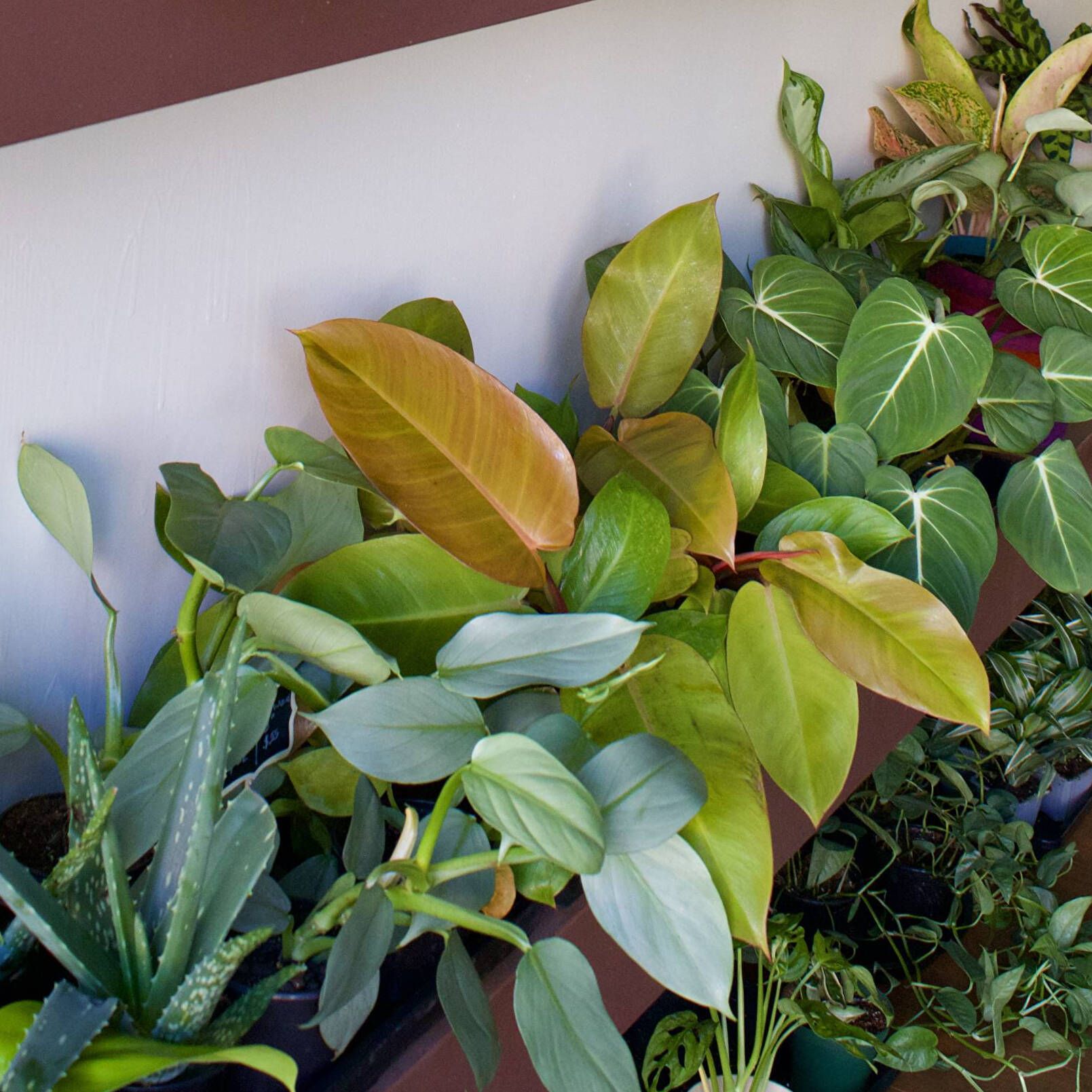
Embarking on your journey as a plant parent is an exciting adventure! While it can feel overwhelming at first, understanding a few basic principles will set you and your new plants up for success. By focusing on these five key areas, you'll be well on your way to a thriving indoor garden. At Over Grown, we have a stunning selection of beautiful, beginner-friendly plants and our team would love to help you find the perfect one for your space.
Light is arguably the most important factor for your plant's health, as it's how they photosynthesize and create the energy they need to grow and survive. "Bright indirect light" is usually the most common requirement for houseplants, but you also may hear bright, direct light, and low light. What do these actually mean?
- Bright, Direct Light: This is unfiltered sunlight that hits the plant directly, like in a south-facing window. It's ideal for plants such as succulents and cacti.
- Bright, Indirect Light: This is bright light that's been filtered or diffused. It's the most versatile and is perfect for a wide range of plants like your Pothos, and Monstera. A good spot is a few feet away from a sunny window or in an east-facing window.
- Low Light: This is an area with very little light, such as a corner far from a window or a north-facing window. While no plant can survive in total darkness, some, like ZZ Plants and Dracenas, can tolerate these conditions.
To give your plants a significant boost, especially during the darker, shorter days of winter, consider supplementing with a grow light. This is a great way to provide consistent light and keep your plants thriving year-round, even if natural light is limited.
Watering is where most new plant parents tend to struggle. A common misconception is that more water is always better. In fact, overwatering is the number one cause of houseplant death.
- Overwatering: This happens when the soil stays wet for too long, causing the roots to rot and the plant to die. Signs include yellowing leaves, soft, mushy stems, and a general wilted appearance.
- Underwatering: This happens when the plant doesn't get enough water. While plants are more resilient to this, it still causes stress. Signs include dry, crispy leaves and the plant looking droopy, as if it's thirsty.
The best rule of thumb is to always check the soil before you water. You can stick your finger into the soil or even a wood skewer to check the moisture. Whenever you water your plant, water it thoroughly. Overwatering is not caused by the amount of water you give it, but by watering too frequently, so don’t be afraid to give it a big drink and allow water to flow out the drainage holes.
Your plant's roots need both moisture and oxygen to survive. If they sit in soggy, dense soil, they will suffocate and rot. This is why good soil and drainage are non-negotiable.
- Good Soil: A well-draining, airy potting mix that retains some moisture but allows excess to drain away is essential. We recommend Rosy Soil's Houseplant mix for a wide variety of plants, which can be found in our store. We also carry their cacti and succulent mix and their aroid mix which is perfect for those more specific plant varieties.
- Drainage: Try to always use a pot with a drainage hole at the bottom. This allows excess water to escape, preventing the roots from sitting in standing water. If your favorite decorative pot doesn't have a hole, you can place a plastic nursery pot inside it.
Pests are a natural part of gardening, both indoors and out. The key is to catch and treat them early before they become a full-blown infestation.
- Common Pests: Keep an eye out for mealybugs (white, cottony bugs), spider mites (tiny specks and fine webbing), and fungus gnats (small flying bugs in the soil).
- How to Check: Regularly inspect your plants, especially the undersides of the leaves and where the leaves meet the stem.
- Treatment: For small infestations, you can wipe the pests off with a cotton swab dipped in rubbing alcohol. For larger issues, an insecticidal soap or neem oil is a great solution. We recommend our organic pest treatment that you can find in either of our store locations to keep infestations at bay and prevent future outbreaks.
While light and water are the primary factors for survival, fertilizer provides the extra nutrients plants need to grow big and beautiful, especially during the growing season.
- When to Fertilize: It is recommended to fertilize during the growing season, which is typically spring and summer. You can stop fertilizing in the fall and winter when the plant's growth slows down, or just minimize your fertilizing frequency.
- How to Fertilize: Use a balanced liquid fertilizer diluted to its own instructions. We recommend our liquid fertilizer drops, available in-store, for a simple and effective way to feed your plants.
As always, our in-store employees are always available to provide personalized guidance and assistance with your plant care questions.
We hope this guide helps your plants thrive! If you're looking for more expert advice, exclusive content, and a community of fellow plant lovers, be sure to sign up for the Over Grown newsletter below.