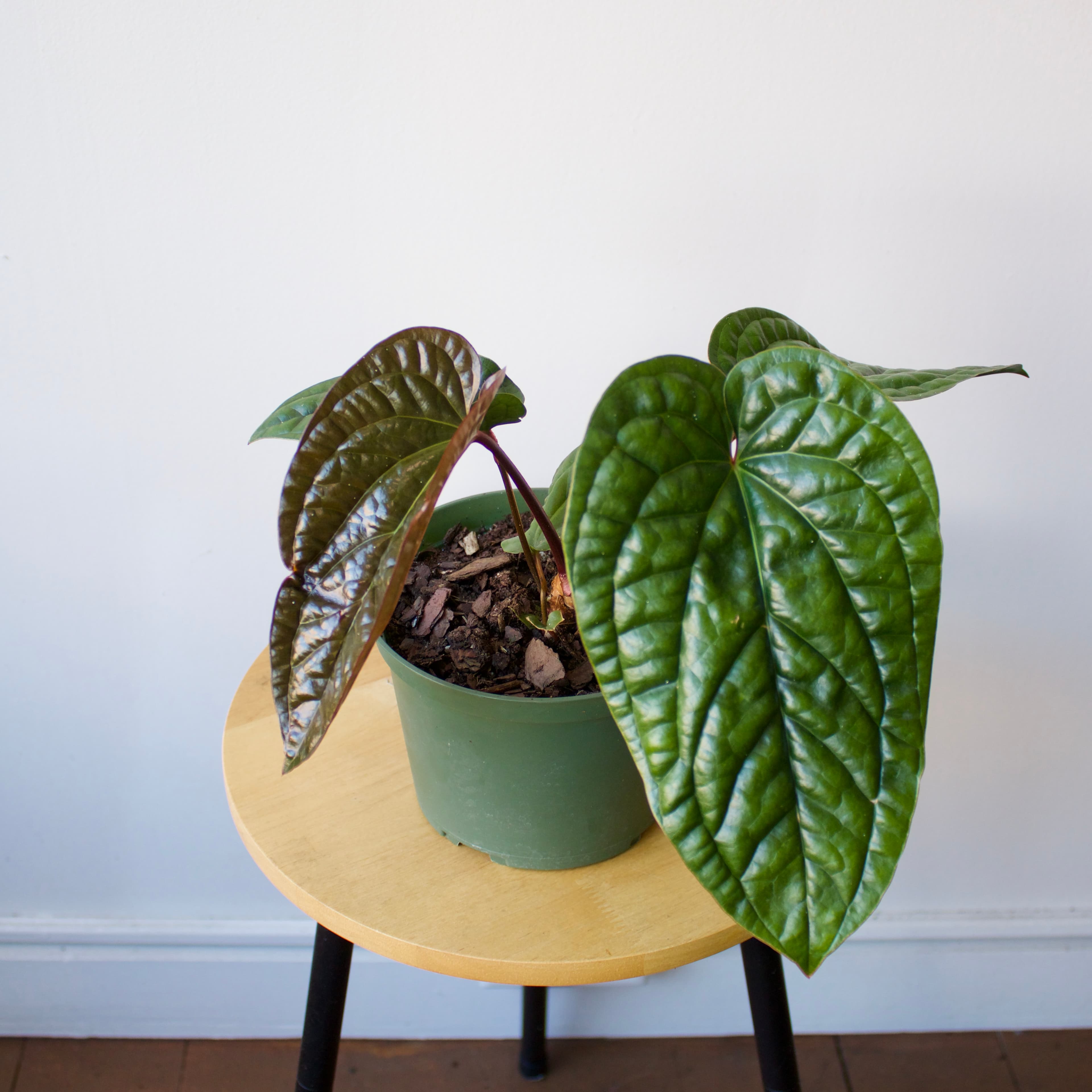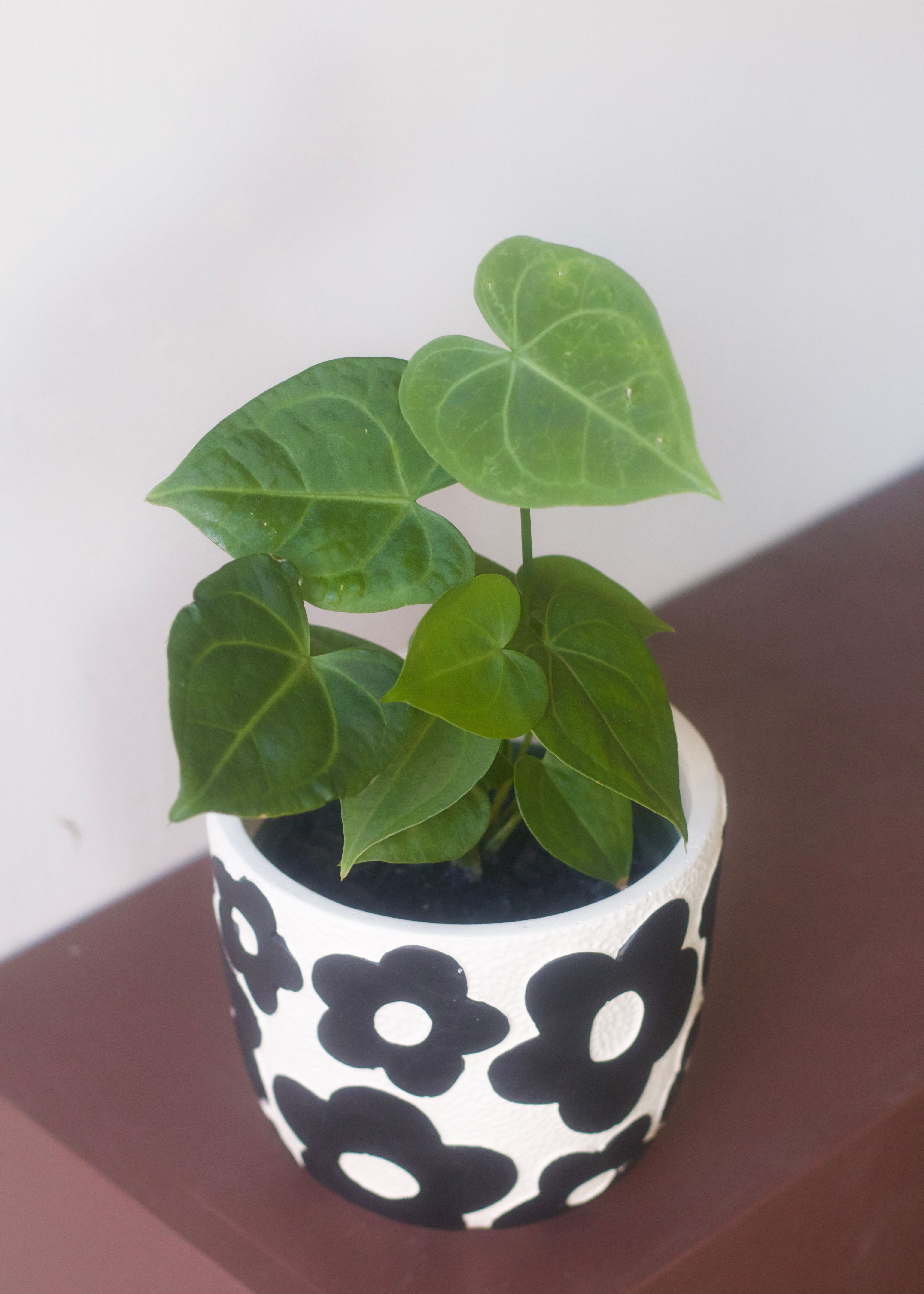
There is a reason velvety plants are nearly impossible to walk past without reaching out to touch a leaf. That dense, touchable texture comes from millions of tiny hair-like structures called trichomes covering the leaf surface. In their native rainforest understories, these help diffuse intense overhead light, protect against pests, and help direct moisture off the leaves. Indoors, those same structures trap light and give the foliage an iridescent, rich depth that smooth leaves just can't match. While velvet-leaf plants look delicate, caring for them comes down to understanding how those unique leaves react to light, water, and dust in a normal home environment.
Shared Care Requirements
Despite spanning several plant families, most velvet-leaf tropicals share the same core environmental needs:
Lighting: Bright, Filtered, Direct-Sun-Free
Velvet leaves evolved to capture low, dappled light on the rainforest floor. Direct sunlight scorching through a glass window will bleach their deep colors and burn the foliage quickly. Give them bright, indirect light, such as near an east-facing window or set a few feet back from a bright south or west window.
Humidity: The Key to Crisp-Free Edges
Velvet foliage loses moisture to dry air faster than smooth, waxy leaves. Ambient humidity around 50% or higher keeps the leaf margins soft and prevents the tips from turning brown and crunchy.
Watering: Moisture-Balanced, Not Saturated
Velvety species generally prefer soil that stays lightly, consistently damp, never bone-dry. Plant them in an open, highly aerated mix like our Aroid Mix so water drains quickly while leaving oxygen around the roots.
How to Clean Velvet Leaves
Cleaning dust off smooth leaves usually means reaching for a damp micro-fiber cloth or spraying them down. For velvet leaves, this can ruin their texture. Water gets trapped between the microscopic surface hairs, leading to unsightly mineral spots, fungal leaf patches, or rot.
- Use a Soft, Dry Brush: Keep a clean, soft-bristled makeup brush, paint brush, or micro-fiber duster near your plants. Gently sweep from the stem out toward the leaf tip to lift dust away without wetting the foliage.
Easiest Starter vs. Collector Pick
If you want to bring home that soft, velvety texture, here is where to start depending on your experience:
The Easiest Starter: Philodendron Micans
This velvet-leaf philodendron is hands-down the most forgiving velvet plant you can grow. It produces heart-shaped leaves that emerge deep iridescent bronze and mature into rich green with reddish undersides. It trails effortlessly, tolerates typical home humidity variations better than most, and quickly bounces back if you forget a watering.
The Collector Pick: Anthurium clarinervium or Anthurium crystallinum
For something bold and architectural, these Anthurium species feature thick, dark heart-shaped leaves with silver veins that pop against a deep green, suede-like background. They love consistent humidity, careful watering, and a loose chunky soil blend, but reward your effort with some of the most striking foliage in the plant world.
Need Help Finding the Right Spot?
If you are eyeing a velvety addition for your collection or want to make sure your home's lighting is a good fit, stop by our Westerville or Dublin shop! We'll help you pick out the perfect plant for your setup.