In the world of indoor gardening, we spend a lot of time talking about soil, light, and water. But once you’ve mastered the art of keeping your plants alive, a new challenge emerges: how do you fit them all in without your home feeling like a cluttered jungle?
Styling is just as important as care. Proper plant placement isn't just about what looks good, it’s about using design principles to create a space that feels intentional, breathable, and lush. If you’re working with limited square footage in an apartment or smaller home, these strategies will help you maximize your greenery without sacrificing your living space.
Design principles for plant placement allow you to highlight your favorite specimens while ensuring every plant gets the light it needs. When plants are styled correctly, they act as living art that draws the eye upward and makes a small room feel significantly larger.
Use Your Walls and Ceilings
When floor space is limited, your walls and ceilings are your best friends.
- Floating Shelves: Dedicate a wall to a "living bookshelf." Staggering shelves at different heights creates a dynamic, layered look.
- Wall-Mounted Planters: These act as living sconces. Use them for "hardy" that don’t need taken down for watering or care super often.
- Hanging Pots: Drawing the eye to the ceiling creates the illusion of height. Use macramé or sleek ceramic hangers to fill those empty corners near windows.
Use the Rule of Three (or Five)
There is a classic design secret used by stylists everywhere: the rule of three (or five). Grouping plants in odd numbers creates more visual interest and feels more "natural" to the eye than even-numbered pairings. A cluster of three plants of varying sizes feels super cohesive and intentional.
Build a Triangle of Heights
To avoid a "flat" look, you want to create a "triangle" of heights. Try this classic trio:
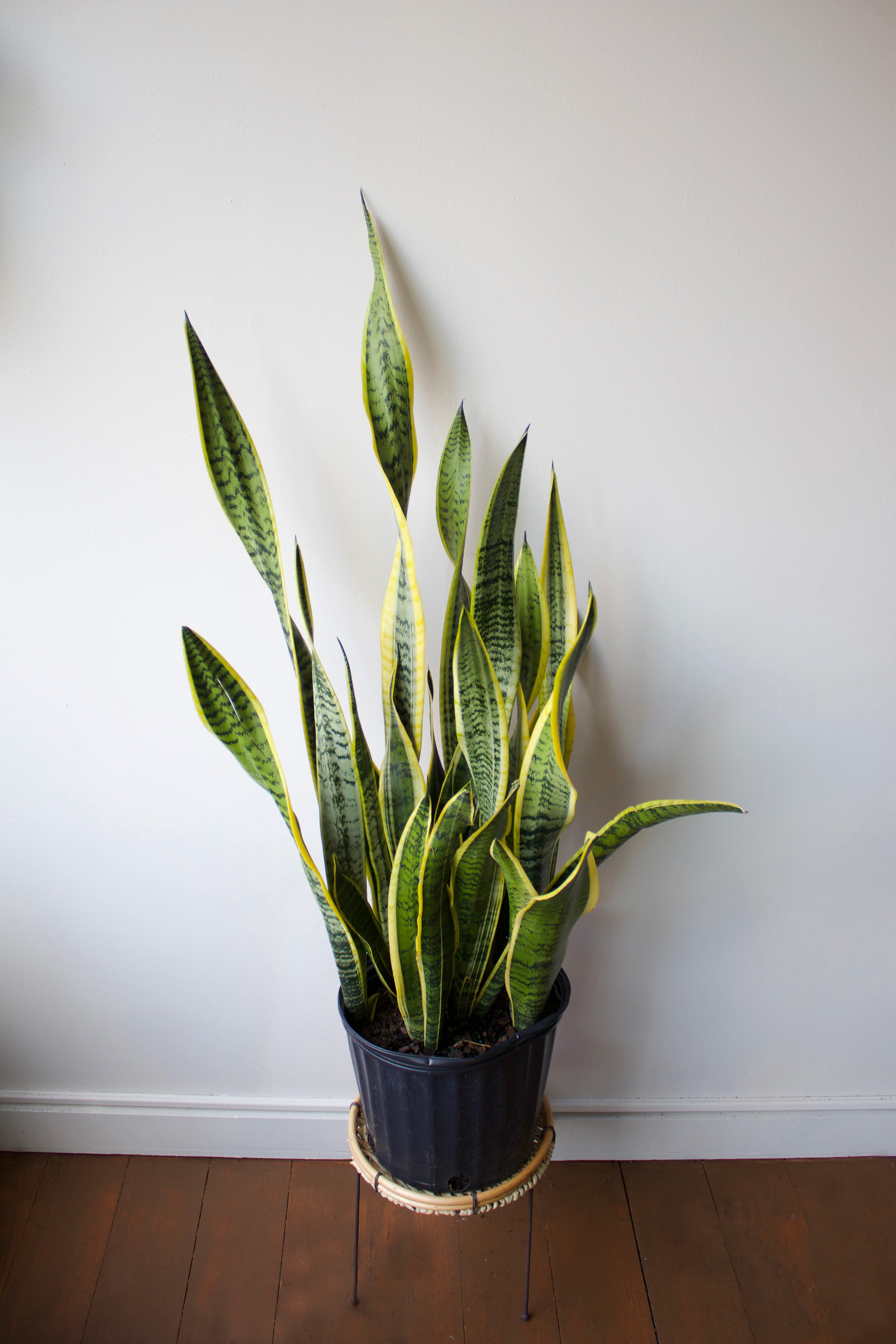
- The Tall Statement: A vertical grower like a Snake Plant or a small Fiddle Leaf Fig.
- The Trailing Beauty: A Pothos or Heartleaf Philodendron to cascade.
- The Extra Addition: A Calathea or Dracena to fill the middle ground.
Arrange Around Your Light Zones
Never choose aesthetics over biology. Build your arrangements around your light zones. Group your high-light plants near the window and your low-light plants in the moodier corners. By using light as your anchor, you ensure your design stays vibrant and healthy for the long term.
Coordinate Your Planters
Nothing clutters a small space faster than a bunch of mismatched plastic nursery pots. Coordinating your planters is the easiest way to elevate your entire collection. You don’t need every pot to be identical, but they should share a common thread, like all textured, all white ceramic, or a consistent "earth tone" palette. This creates a "collection" feel rather than a "clutter" feel.
Ask Our Team for Help
Not sure how to fit a new plant into your small space? Our in-store team can help you pick plants that suit your light and your shelves. Stop by either Over Grown shop any open hour.
We hope this guide helps you fit more plants into your space! If you're looking for more expert advice, exclusive content, and a community of fellow plant lovers, be sure to sign up for the Over Grown newsletter below.