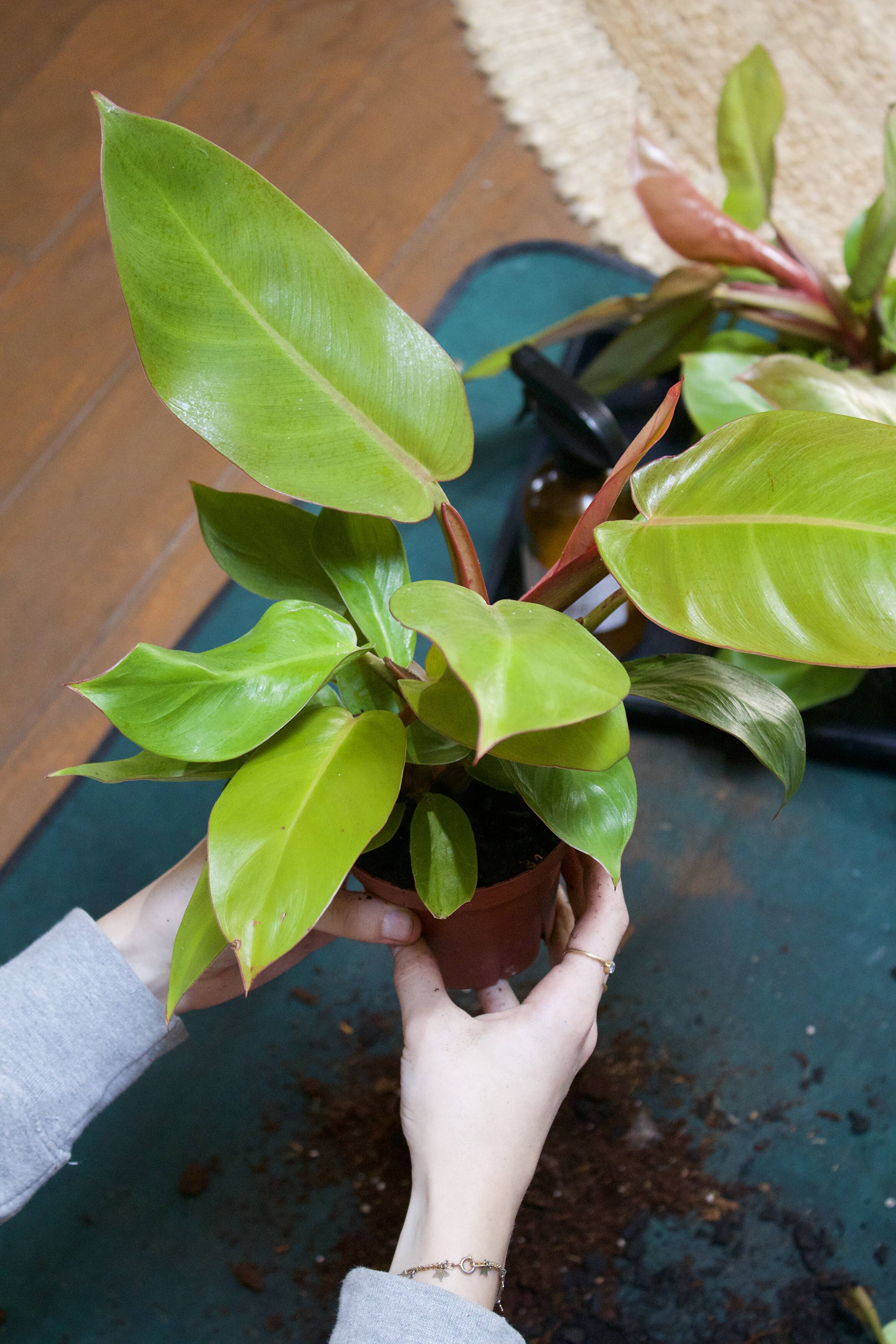
As a plant parent, one of the most rewarding parts of the journey is watching your plant grow and flourish. But with that growth comes the question: when is the right time to repot? Repotting is a critical step in a plant's life cycle that provides fresh nutrients and room for its roots to expand. Knowing when to make the move is essential for its continued health. At Over Grown, we have a variety of beautiful, healthy plants, and our team would love to help you find the perfect pot, plant and soil for your next repotting project.
This is the most obvious and common sign that your plant needs a new home. When a plant becomes "root-bound," its roots have filled the entire pot, leaving little room for soil and moisture.
- Roots are circling the inside of the pot: This indicates there's no more room for them to grow outwards.
- Roots are growing out of the drainage holes: This is a clear sign that the roots are searching for more space and nutrients.
- The plant is top-heavy and tips over easily: This means the roots and the plant itself have outgrown the stability of the pot.
- The soil dries out very quickly: A pot full of roots has less soil to hold moisture, so you'll find yourself watering much more frequently.
If your plant seems to have stopped growing altogether, it could be a sign that it has reached its maximum size for its current pot.
- No new leaves are appearing: During the growing season (spring and summer), a healthy plant should be putting out some sort of new growth, even if it is slow. If it's not, it may need more room.
- New leaves are smaller than older ones: This could be due to other factors, but can be a sign that the plant isn't getting enough nutrients from the root-bound soil.
- The plant is generally looking unhealthy: While this can be a sign of many issues, a plant that is looking stressed despite proper watering and lighting might be struggling in an old pot.
Once you've determined your plant is ready for a new home, follow these steps for a successful repotting.
- Choose the right pot: Select a new pot that is only 1-2 inches larger in diameter than the old one. Going too big can lead to overwatering issues. Check out our blog post Choosing the Right Pot for more guidance on this!
- Use fresh, quality soil: Use a well-draining, airy potting mix that provides fresh nutrients for your plant. We recommend our in-store Rosy Soil for a fantastic start.
- Gently loosen the roots: After removing the plant from its old pot, gently untangle and spread out the roots to encourage new growth.
As always, our in-store employees are available to provide personalized guidance and assistance. Whether you need a new pot, fresh soil, or a second opinion on your plant's health, we're here to help!
We hope this guide helps you keep your plants happy and thriving! If you're looking for more expert advice, exclusive content, and a community of fellow plant lovers, be sure to sign up for the Over Grown newsletter below.