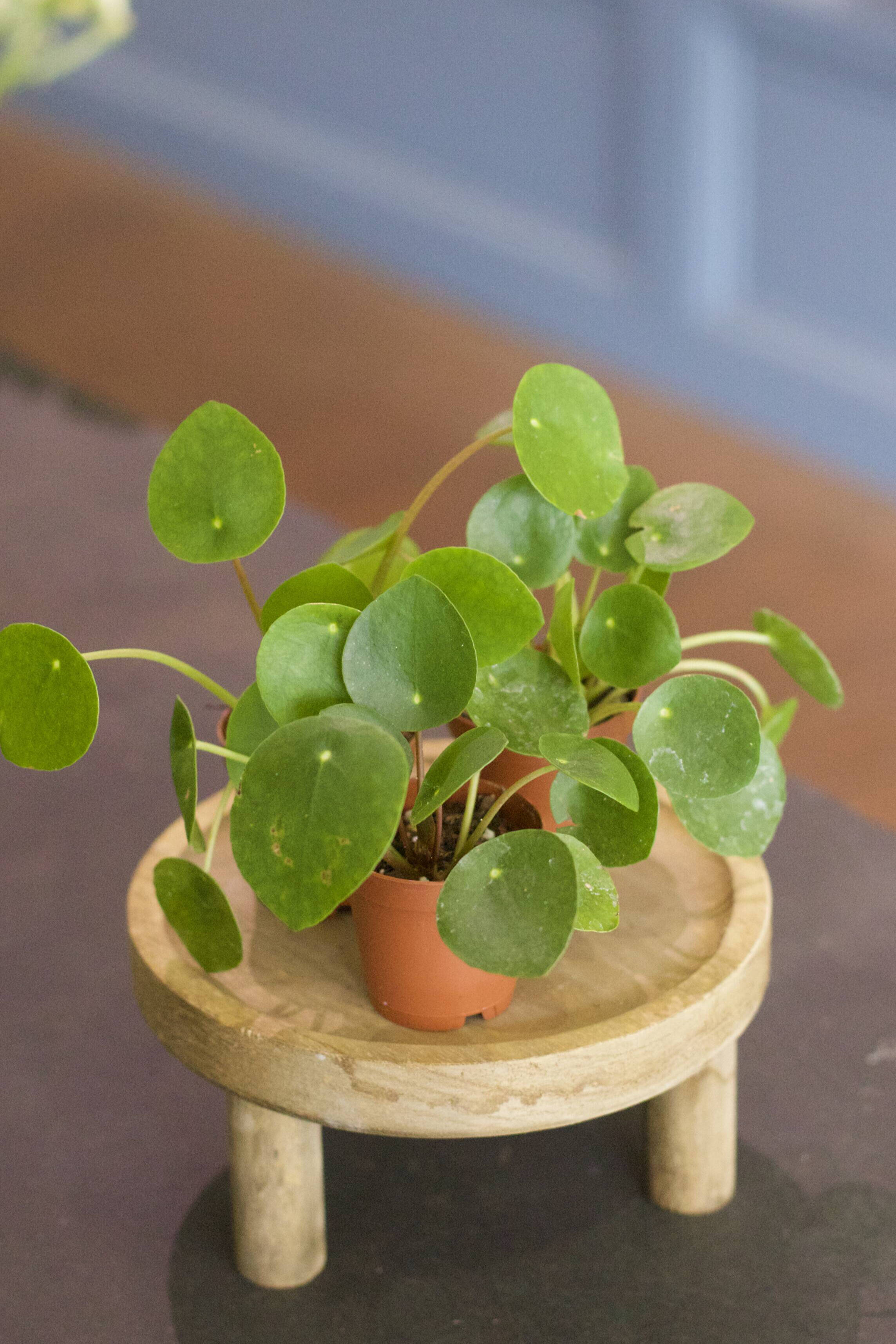
Pileas are among the most popular and cheerful houseplants in the world. While there are many varieties, the Pilea Peperomioides, and Pilea Baby Tears are true fan favorites. No matter the variety, they always bring a playful, modern energy to any space.
At Over Grown, we love Pileas for their unique looks and their rewarding growth habit. They are fast-growers that constantly surprise you with new leaves and tiny offshoots, making them a joy to watch and cultivate.
Pilea Lighting
Pileas are quite particular about their light. They love brightness but are easily overwhelmed by the heat of the sun.
- Ideal light conditions: Bright, indirect light is essential for a full, symmetrical plant. A spot near an east or west-facing window where the light is filtered is perfect.
- The "Stretch": If a Pilea is kept in too much shade, it will begin to "stretch" toward the light, making the stems long and the leaves more sparse.
- Avoid: Direct, hot afternoon sun will quickly scorch the circular leaves, leaving behind unsightly brown or bleached patches.
- Signs of improper light: If the plant is leaning heavily in one direction, it is searching for more light. To keep your Pilea growing evenly, rotate the pot every week or two!
Pilea Watering
Finding the right balance of moisture is the secret to a happy Pilea. Certain varieties might want slightly different watering habits.
- How often to water: For the thicker leaf varieties such as the Pepermoides, water thoroughly when the top 75% of the soil feels dry. They have slightly more succulent leaves and stems that store water, giving them a bit of drought tolerance. For smaller and more delicate leaf varieties, water more frequently, around when just the top bit of soil is dried out.
- Check the soil: Use your finger to feel the soil. When the leaves start to look a little bit "droopy" or feel less firm, it’s usually time for a soak.
- Avoid: Overwatering or letting the plant sit in soggy soil. Like many small tropicals, they have thinner root systems and are susceptible to root rot if they aren't allowed to dry out.
- Signs of improper watering: Yellowing leaves that drop off frequently are often a sign of overwatering. If the leaves are curling or look shriveled, the plant is likely too dry.
Pilea Soil and Fertilization
A light, well-draining soil is essential for these plants.
- Potting medium: A high-quality indoor mix with plenty of aeration is best. We use and recommend Rosy Soil’s Houseplant mix, available in-store, which offers the perfect drainage and organic matter for Pileas. Check out our blog ‘All About Rosy’ to learn more.
- Fertilizing: During the active growing season (spring and summer), apply a balanced liquid fertilizer every 4-6 weeks. Our liquid fertilizer drops are a great way to provide the gentle nutrition needed for that rapid leaf production.
Pilea Humidity & Leaf Care
While they are quite adaptable to average household humidity, Pileas enjoy a little extra moisture in the air.
- Methods to increase humidity: They handle standard home air well, but they will thrive with a nearby humidifier or by being grouped with other plants. For more tips on increasing humidity, check out our blog, 'Humidity 101'.
- Clean the foliage: For bigger leaves, gently wipe them down with a damp cloth, or for the smaller leaves, give them a quick rinse in the sink every few weeks to keep them dust free.
Pilea Pests and Treatment
Pileas are generally resilient, but their soft stems can occasionally attract a few common visitors.
- Common Pests: Watch for Mealybugs (white cottony fluff) in the crevices where the leaves meet the main stem, or Fungus Gnats if the soil is staying too wet.
- Treatment: Isolate the plant and wipe down the affected areas. We recommend a thorough application of our Plant Protect Spray to ensure your Pilea stays healthy. For more help, visit our blog, ‘Identifying & Treating Houseplant Pests.’
Pileas are very communicative! Once you understand their leaf signals, they are very easy to care for.
Curling Leaves
- Causes: This can be caused by several factors, including too much direct light, inconsistent watering, or a sudden change in temperature.
- Solutions: Move the plant to a spot with consistent, indirect light and ensure you arent watering too infrequently.
Small White Spots on the Leaf Undersides
- Causes: These are often tiny mineral deposits (pores) and are completely natural for the Pilea peperomioides.
- Solutions: No action needed! This is just the plant's way of "sweating" out extra minerals from your tap water.
The Plant is "Leggy"
- Causes: Usually a result of low light or the plant aging and shedding its lower leaves.
- Solutions: Move the plant to a brighter location. You can also "behead" a very leggy Pilea and propagate the top in water to start a brand new, bushier plant!
How to keep your "Friendship Plant" thriving:
- Lighting: Bright, indirect light, and remember to rotate!
- Watering: Let the soil dry out significantly between waterings.
- Friendship: Don't forget to propagate the tiny babies and share them with friends.
Stop by the shop to see our variety of Pileas and let our team help you with any questions you may have!
We hope this guide helps your Pileas grow lush and round! For more expert advice and community updates, sign up for our newsletter below.