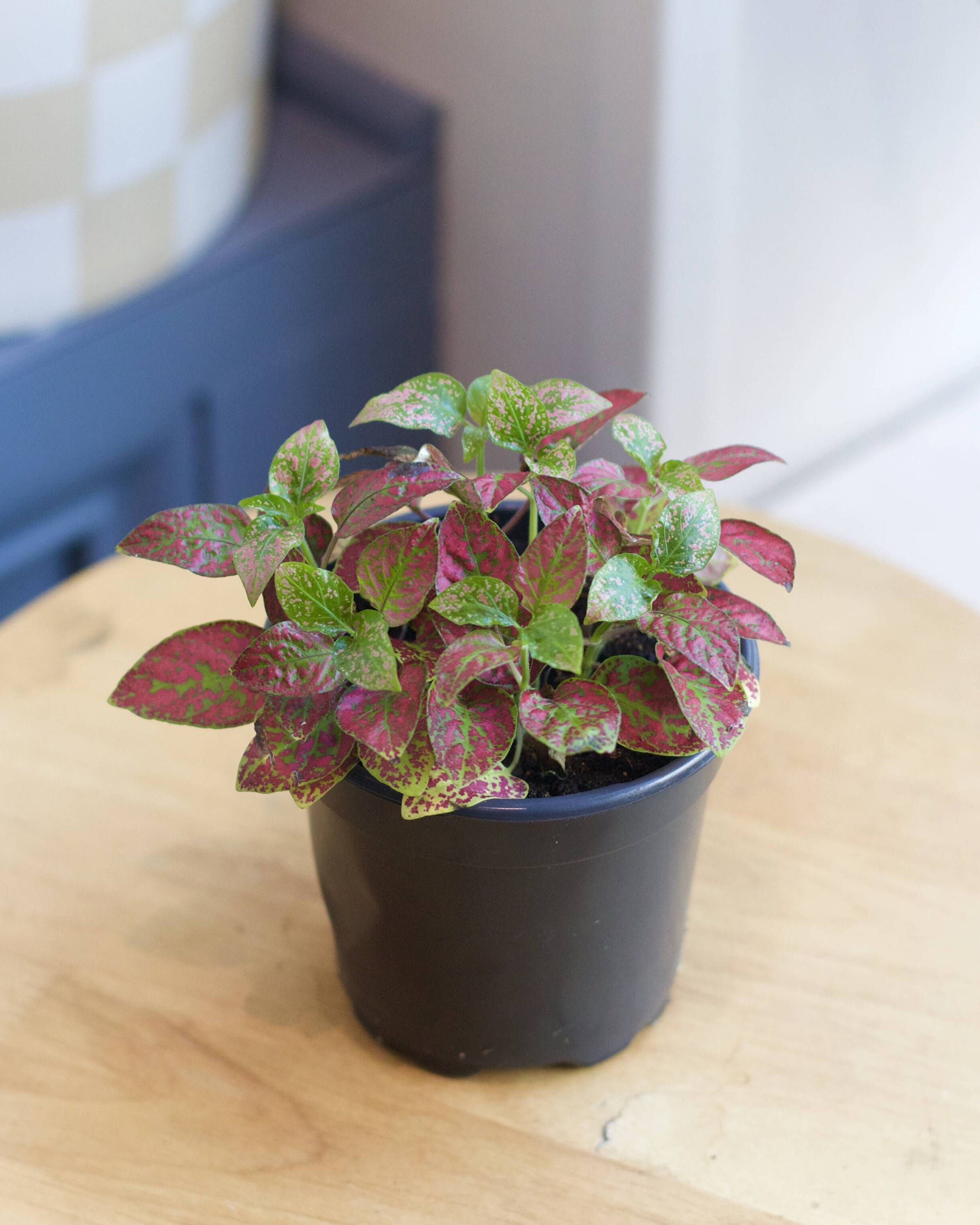
Fittonias, also known as Nerve Plants, are the ultimate addition to any collection. They are recognizable by their striking, deeply veined foliage, which creates a delicate mosaic pattern in shades of bright white, vibrant pink, or deep red against a lush green backdrop. Because they stay relatively low-growing and compact when in the right conditions, they are the perfect choice for terrariums or any small space that needs a concentrated pop of color and texture.
At Over Grown, we adore Fittonias for their expressive personalities and their ability to brighten up a home. They are very communicative, and will show you when they are thirsty, making them a wonderful choice for those who want a plant that tells them exactly when it needs attention.
Fittonia Lighting
In their Native environment, these grow on the shaded forest floor. They are sensitive to intense light and prefer a more subdued environment.
- Ideal light conditions: Medium to bright, indirect light is the sweet spot. A north or east-facing window provides the soft light they love without the risk of scorching.
- The colors: While they can tolerate lower light, you may find that their vibrant vein patterns become less pronounced. For the brightest pinks and reds, aim for a consistently bright but filtered location.
- Avoid: Direct afternoon sun may be too hard for these plants The thin, delicate leaves will quickly shrivel and burn if exposed to harsh rays.
- Signs of improper light: If the leaves are curling or look "bleached," it’s likely getting too much sun. If the plant becomes leggy and the color fades, it needs a slightly brighter spot.
Fittonia Watering
Fittonias are high-moisture plants and do not like to dry out. They are the drama queens of the plant world and will let you know immediately if they want watered.
- How often to water: Keep the soil consistently moist but never sitting in too much water. You’ll likely find you need to water more frequently than your other houseplants. We recommend bottom watering to avoid getting the foliage wet, just make sure you don’t let it sit in a tray of water for too long!
- The Dramatic Wilt: If you miss a watering, your Fittonia will literally collapse and look like it has died. Don't panic! Give it a thorough soak, and it will usually perk back up within a few hours as if nothing happened.
- Avoid: Chronic overwatering that leads to soggy soil, which can cause root rot. On the flip side, allowing the soil to go bone-dry repeatedly will eventually stress the plant beyond recovery.
- Signs of improper watering: Yellowing leaves often indicate the soil is staying too wet, while crispy, dry edges suggest the plant needs more frequent hydration.
Fittonia Soil and Fertilization
A soil mix that holds some moisture while still allowing for proper aeration is essential for these shallow-rooted plants.
- Potting medium: A high-quality, moisture retaining mix is ideal. We use and recommend Rosy Soil’s Houseplant mix, available in-store, which holds onto the moisture Fittonias crave while keeping the roots healthy. Learn more in our blog, “All About Rosy.”
- Fertilizing: During the spring and summer, apply a balanced liquid fertilizer at half-strength every 4-6 weeks. Our liquid fertilizer drops are a gentle way to provide the nutrients they need for their dense, colorful growth.
Fittonia Humidity & Leaf Care
If there is one thing a Fittonia loves more than water, it's humidity. These plants are built for a misty, tropical environment.
- Methods to increase humidity: High humidity is the secret to a thriving Fittonia. They are the #1 choice for closed terrariums for this reason. In an open room, a nearby humidifier is highly recommended to keep the foliage soft and vibrant. For more tips on humidity, visit our previous blog, “Humidity 101.”
- Leaf care: Because they are small and delicate, they don't require heavy leaf cleaning. However, ensuring the air around them is moving slightly will prevent fungal issues in the high-humidity environments they prefer.
Fittonia Pests and Treatment
Fittonias are generally resilient, but their soft stems and high-moisture environment can occasionally attract common pests.
- Common Pests: Watch for Fungus Gnats in the damp soil as well as Mealy Bugs and Aphids on the tender new growth.
- Treatment: Isolate the plant and treat it with our Plant Protect Spray. Because their leaves are so thin, we recommend misting from a slight distance to ensure even coverage without soaking the foliage. For more help, visit our blog, “Identifying & Treating Houseplant Pests.”
Fittonias are communicative, so most issues can be solved by listening to what the plant is telling you.
Sudden Wilting
- Causes: The soil has dried out.
- Solutions: Give it a deep watering immediately. If the soil is pulling away from the edges of the pot, try bottom-watering for 15 minutes to ensure the moisture reaches the roots.
Yellowing Leaves
- Causes: Usually a sign of overwatering or poor drainage.
- Solutions: Ensure your pot has drainage holes and that you aren't letting the plant sit in a saucer of water. Let the very top of the soil dry out just a tiny bit more before your next watering.
Crispy, Shriveled Leaves
- Causes: Lack of humidity or too much direct sunlight.
- Solutions: Move the plant away from any direct sun or heat vents and increase the humidity immediately with a humidifier or by placing it in a terrarium.
How to keep your plant happy:
- Lighting: Medium to bright, indirect light, keep them out of the sun!
- Watering: Keep the soil consistently moist. Don't be afraid of the occasional wilting.
- Humidity: The more, the better! These plants are the perfect choice for a terrarium.
Stop by the shop to see our variety of colorful Fittonias and let our team help you pick the perfect one for your mini-jungle!
We hope this guide helps your Fittonias stay vibrant and lush! For more expert advice and community updates, sign up for our newsletter below.