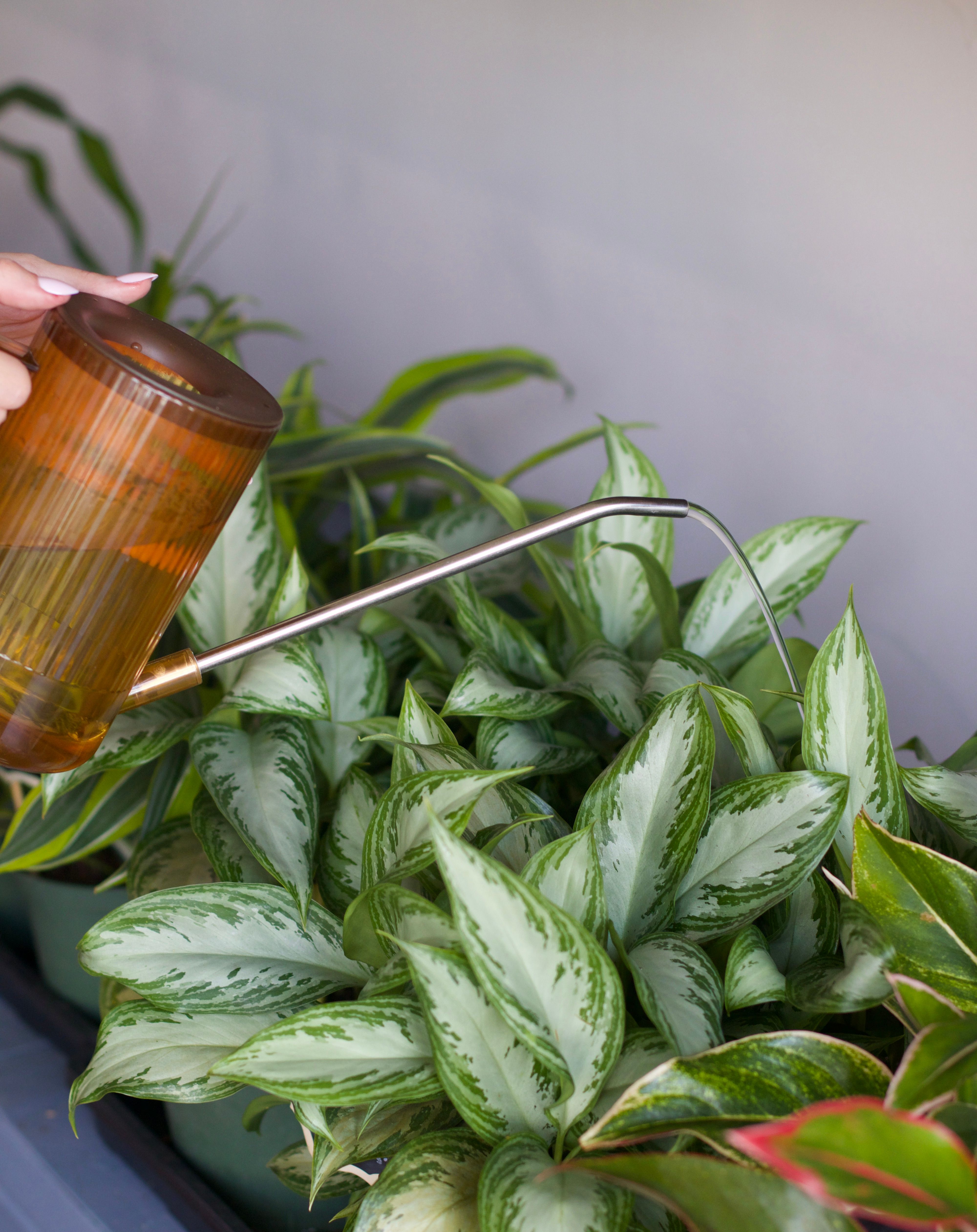
Summer should be about relaxing, not stressing about a watering schedule. But as the temperature rises outside, your indoor plants start pushing new growth and thriving in different ways. If you prefer a low-maintenance relationship with your collection, you don't need to change your entire lifestyle for the season. Here is the ultimate guide to keeping your plants thriving all summer long with the absolute minimum amount of effort.
Why Summer Changes the Watering
During the winter, houseplants are largely dormant, meaning they drink up water more slowly. In the summer, everything flips. The longer days, increased sunlight, and warmth trigger a massive growth spurt. Because your plants are actively building new leaves and stems, their metabolism skyrockets. Combine that internal activity with the dry air from your home’s air conditioning, and the soil dries out significantly faster than it did a few months ago. A plant that was perfectly content being watered every three weeks in January might suddenly start requesting a drink every seven to ten days in July.
The Soil Test Beats a Schedule
The biggest mistake a self-proclaimed "lazy" plant parent can make is trying to stick to a strict calendar schedule (like "Watering Wednesdays"). Environmental factors change day by day, and a rigid routine is the fastest way to accidentally over water, or completely dehydrate your soil.
Instead, use the easiest, cheapest tool available, your finger.
- Once a week, walk around your space and push your finger about two inches deep into the soil of your plants.
- If it feels damp and cool, move on and ignore it, it probably does not need water.
- If it feels dry, give it a deep, thorough soak until water drains out the bottom of the pot.
By relying on actual soil moisture rather than a calendar app, you prevent issues before they start, saving you time and effort in the long run.
Five Plants That Forgive a Missed Week
If you want an indoor jungle that doesn't panic if you take a long weekend trip or simply forget about them for a few days, focus your collection on highly resilient, drought-tolerant species. These five plants naturally store water in their leaves, stems, or roots, making them incredibly forgiving during the peak summer months:
- Snake Plants: The undisputed champions of neglect. Their thick, architectural leaves store moisture for weeks. In the summer, they love the extra light and will happily tolerate dry soil.
- ZZ Plants: Beneath the soil, ZZ plants have potato-like structures called rhizomes that store water. They are built to survive long droughts, making them perfect for low-effort care.
- Ponytail Palms: This plant features a large, bulbous trunk that acts as a built-in water reservoir. You can easily leave it alone for weeks at a time.
- Hoyas: With their thick, waxy leaves, Hoyas are designed to semi-dry out between waterings. They will reward your neglect with beautiful, trailing vines and occasional blooms.
- Pothos: While they aren't quite as drought-tough as a cactus, Pothos are incredibly communicative. They will visibly droop when they are thirsty and bounce back entirely within a few hours of getting a drink, taking all the guesswork out of the equation.
Signs of Over- vs. Under-Watering
When a plant looks sad, the immediate instinct is to throw water at it. However, because over-watering and under-watering can look surprisingly similar above the soil line, it helps to know how to read the specific signs so you don't accidentally make a problem worse.
Signs of Under-Watering (The Plant is Thirsty):
- The Look: Leaves look wrinkled, shriveled, or crispy at the tips.
- The Soil: The potting mix is bone-dry, lightweight, and has shrunk away from the edges of the pot.
- The Fix: Give it a thorough, deep soak. If the soil is so dry that the water runs straight through without absorbing, let the pot sit in a shallow container of water for about 30 minutes to drink from the bottom up.
Signs of Over-Watering (The Roots are Drowning):
- The Look: Leaves turn a distinct, bright yellow, often starting from the bottom of the plant. Stems might feel soft, mushy, or limp.
- The Soil: The soil stays wet or soggy for more than a week after your last watering, and you might notice a musty odor or tiny fungus gnats hovering around the pot.
- The Fix: Stop watering immediately. Move the plant to a spot with slightly brighter indirect light to help the soil dry out, and ensure your container's drainage hole isn't blocked/it's not sitting in a saucer of water.
Want to keep your summer routine as simple as possible? Stop by the shop this weekend. We can help you audit your current setup to take the guesswork out of care, or help you pick out a few practically indestructible tropicals that fit your laid-back style perfectly.