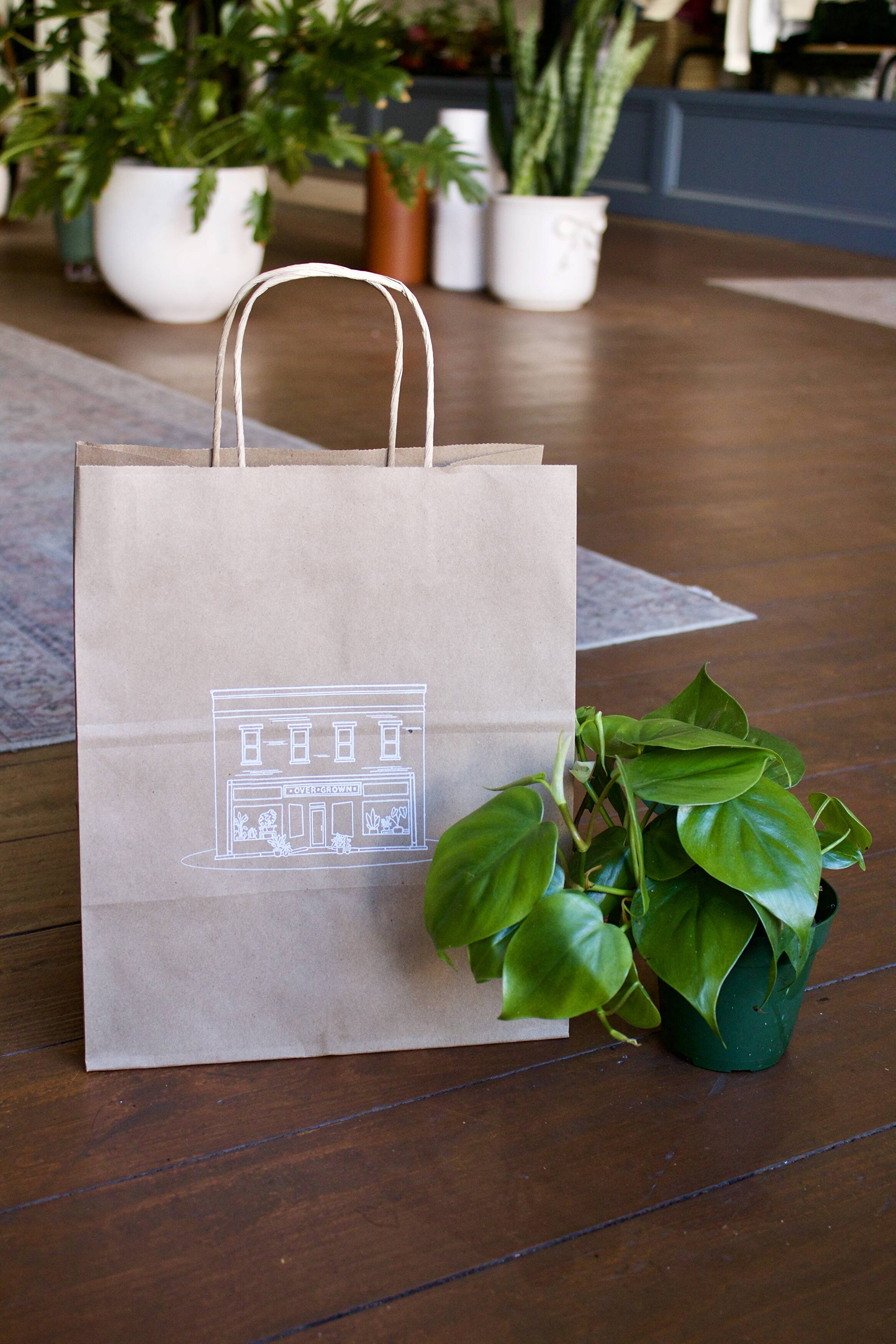
We’ve all been there, you’re walking through the plant shop, and you see an eye-catching plant, you grab it before thinking too much about it. But here’s the thing - adding new plants rarely solves existing plant problems. In fact, if you don't have a reliable care system in place, a "haul" usually just adds more items to your mental to-do list, leading to plant parent burnout before the first new leaf even unfurls.
Watering calendars can be a big reason beginner collections fail. A schedule is rigid, but plant growth is dynamic. In most places, the environmental factors in our homes change daily. A rainy, humid week in March means your plants are transpiring slower than they would during a dry, sunny week in June. If you water on a strict schedule, you’re almost certainly overwatering during slow periods or underwatering during growth spurts.
A calendar treats your plants like a chore to be checked off. To truly thrive, you have to move from a schedule to a rhythm, one that responds to the actual, living needs of the organism in front of you.
A successful indoor jungle isn't built on luck, it’s built on three fundamental pillars.
1. Know Your Light (Map Out Windows)
Light is food. Before you buy a plant, you must understand the lighting your home offers. Spend an afternoon mapping your windows. Does your South-facing window get blasted with direct heat? Is your North-facing window providing consistent, low-intensity light? Don't guess, watch the shadows move across your walls. If you put a high-light loving plant in a low-light corner, it won't thrive no matter what.
2. Know Your Soil (Feel Before You Water)
Your system should involve checking the soil for every plant. If it’s damp, walk away. If it’s dry, it’s time for water. Learning the "weight" of a pot when it’s dry versus when it’s wet is the ultimate shortcut to preventing root rot.
3. Know Your Plant (Natural Habitat)
It can be helpful to understand where your plant comes from. Is it a jungle/tropical plant that likes high humidity and dappled light? Or is it a desert plant that wants to be dry and get as much sun as possible? When you know what a plant naturally wants, you can stop fighting against its biology and start working with it.
How do you know when it’s safe to head back to the shop for a new addition?
- New Growth is Consistent: If your current plants are pushing out healthy, full-sized leaves, it means your light and watering systems are working.
- You’ve Survived a Season Change: If you successfully transitioned your collection from the dry winter air into the spring growth spurt, you’ve mastered the art of adaptation.
- Care Feels Like a Ritual, Not a Burden: If your Sunday walk-through feels like a peaceful way to start your day rather than a chore, you have the mental bandwidth for a new plant.
Before you expand, you must audit. Take every plant and ask:
- Is it thriving? If yes, keep doing what you’re doing.
- Is it struggling? Identify the why (Pests? Light? Soil?) and fix it before adding something new.
- Do I still like it? It is okay to outgrow a plant. If a particular one feels like a burden, rehome it at a plant swap to make room for something that genuinely inspires you.
You can set yourself up for months of success in a single Saturday afternoon. Here’s how:
- Group by Need: Move your humidity-loving plants together and your drought-tolerant succulents together. This makes your "walk-through" much more efficient.
- Prep Your Tools: Fill your watering cans, clean your shears, and keep your plant kits in one central, accessible spot.
- Label Your Zones: If you’re still learning, put a small discreet sticker on pots to remind you of their light needs (etc. "Bright Indirect" or "Low Light").
- Set the Ritual: Pick a time, maybe Sunday morning with a cup of coffee, to do your 5-minute walk-through. This commitment once a week is what separates "plant owners" from "plant parents."
Ready to refine your space? Our team is here to help you build a jungle that lasts. If you're looking for more expert advice, exclusive content, and a community of fellow plant lovers, be sure to sign up for the Over Grown newsletter below.