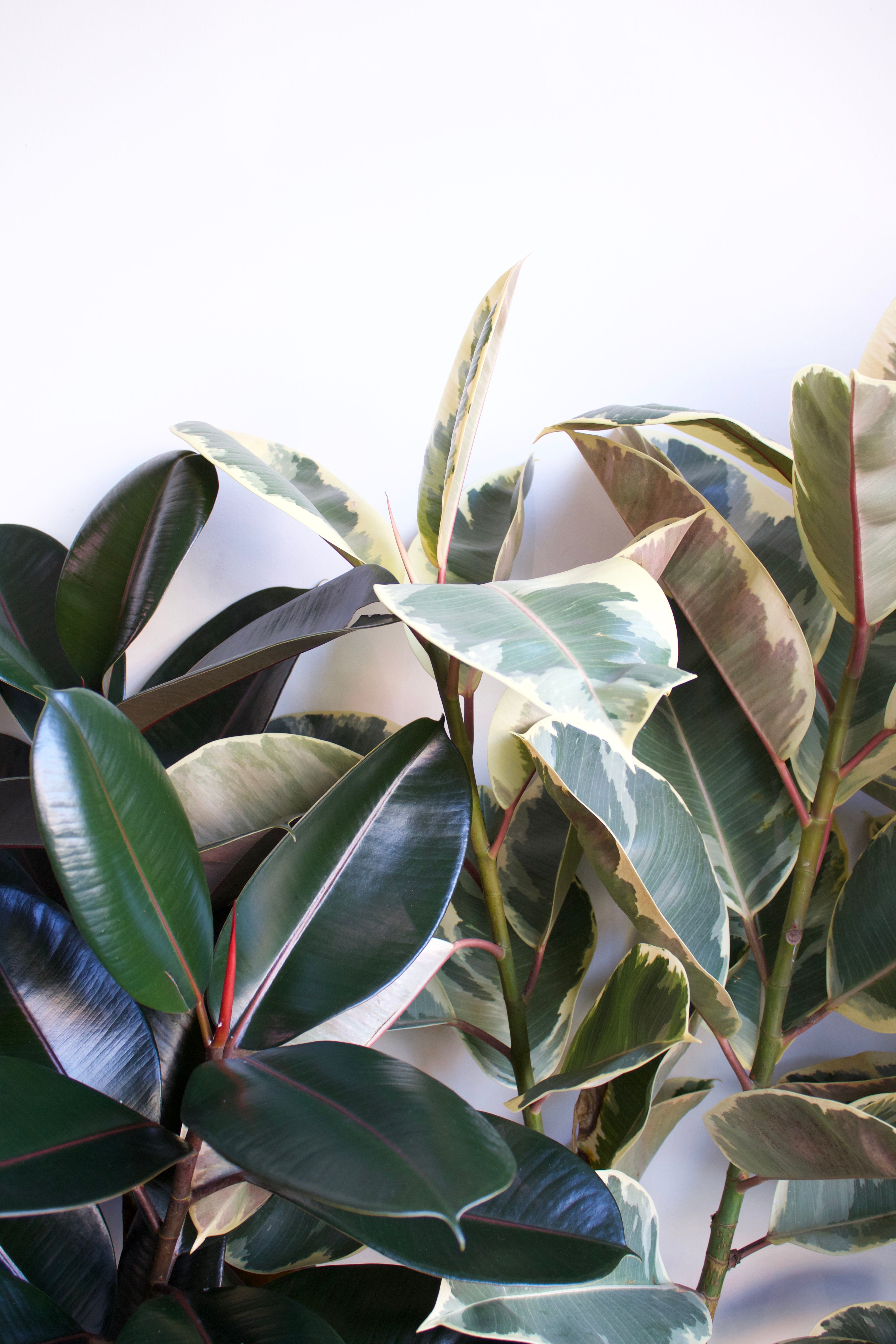
Around November, central Ohio temperatures plunge, and our home heating systems kick into high gear. While a warm apartment or house feels cozy to us, it creates a sudden, harsh shift for tropical houseplants.
Running forced-air heat or radiator systems in your home drops the indoor relative humidity levels down significantly. Tropical plants that spent spring and summer thriving in more natural humidity are suddenly forced to adapt to very dry air.
When plant leaves start crisping up in December, the most common instinct is to reach for the watering can. But overwatering soil to fix a dry air problem leads straight to root rot. Here is how to diagnose winter low-humidity stress in your plants, which fixes actually work, and the common myths you can skip.
What Low Humidity Stress Looks Like
Low humidity affects the moisture evaporating from a plant’s foliage (a process called transpiration). When the air is desert-dry, leaves lose water faster than the roots can draw it up from the soil, even if the soil itself is damp.
Look out for these classic signs on your plants once the heat starts cycling:
- Crispy Brown Leaf Margins: The very tips and outer edges of the leaves turn dry, tan, or crunchy (especially common on Calathea, Ferns, Maranta, and Alocasias).
- Curling or Rolling Leaves: Plants will actively curl their leaves inward to trap moisture and reduce the surface area exposed to dry air currents.
- Failed or Stuck New Leaves: New growth gets stuck in the sheath or unfurls torn and deformed because there isn’t enough moisture in the air to keep the emerging leaf soft and pliable.
- Sudden Pest Outbreaks: Spider mites thrive in hot, dry, still air. If you notice fine webbing on the undersides of leaves or between stems, dry furnace air is usually the culprit.
Fixes That Actually Work
Run a Humidifier
This is the single most effective way to raise ambient humidity indoors. Placing a small or medium humidifier in the room where you keep the majority of your moisture-loving foliage creates a steady, measurable lift in moisture levels. Aiming for 45-55% humidity is the sweet spot for both your houseplants and your own comfort during Ohio winters.
Group Your Plants Together
Plants naturally transpire water vapor through tiny pores in their leaves. When you place multiple plants close together, they create a microclimate, a small pocket of localized humidity where they share each other's evaporated moisture. Put your most sensitive tropicals together rather than scattering them individually across drafty rooms.
Keep Plants Away from Heat Vents
Distance is your friend with this one. A plant sitting directly above or beside a forced-air furnace vent gets blasted with hot, dry air every time the heat kicks on. Move your plant stands at least three to four feet away from active vents, radiators, and space heaters to prevent leaf scorch.
A “Fix” That We Wouldn’t Recommend
Misting Leaves with a Spray Bottle
Spritzing your plants with a water spray bottle feels helpful, but it does almost nothing for ambient humidity. The fine layer of water on the leaves evaporates within five to ten minutes, offering no long-term benefit to the plant. Worse yet, letting water pool on leaf surfaces without air movement can encourage fungal leaf spots or bacterial infections.
Winter Care Checklist for Your Plants
- Group tropicals together on plant stands or shelving away from active heating vents.
- Set up a humidifier nearby for delicate species.
- Scale back watering frequency slightly. Even with dry air, plants grow much slower in winter due to lower light levels and need less water.
- Wipe down leaves using fresh water or our Plant Protect spray to keep dust off foliage and deter spider mites.
Need help winterizing your indoor jungle or picking out plants that handle dry winter air like a champ? Stop by our Westerville or Dublin shops and talk with our team!