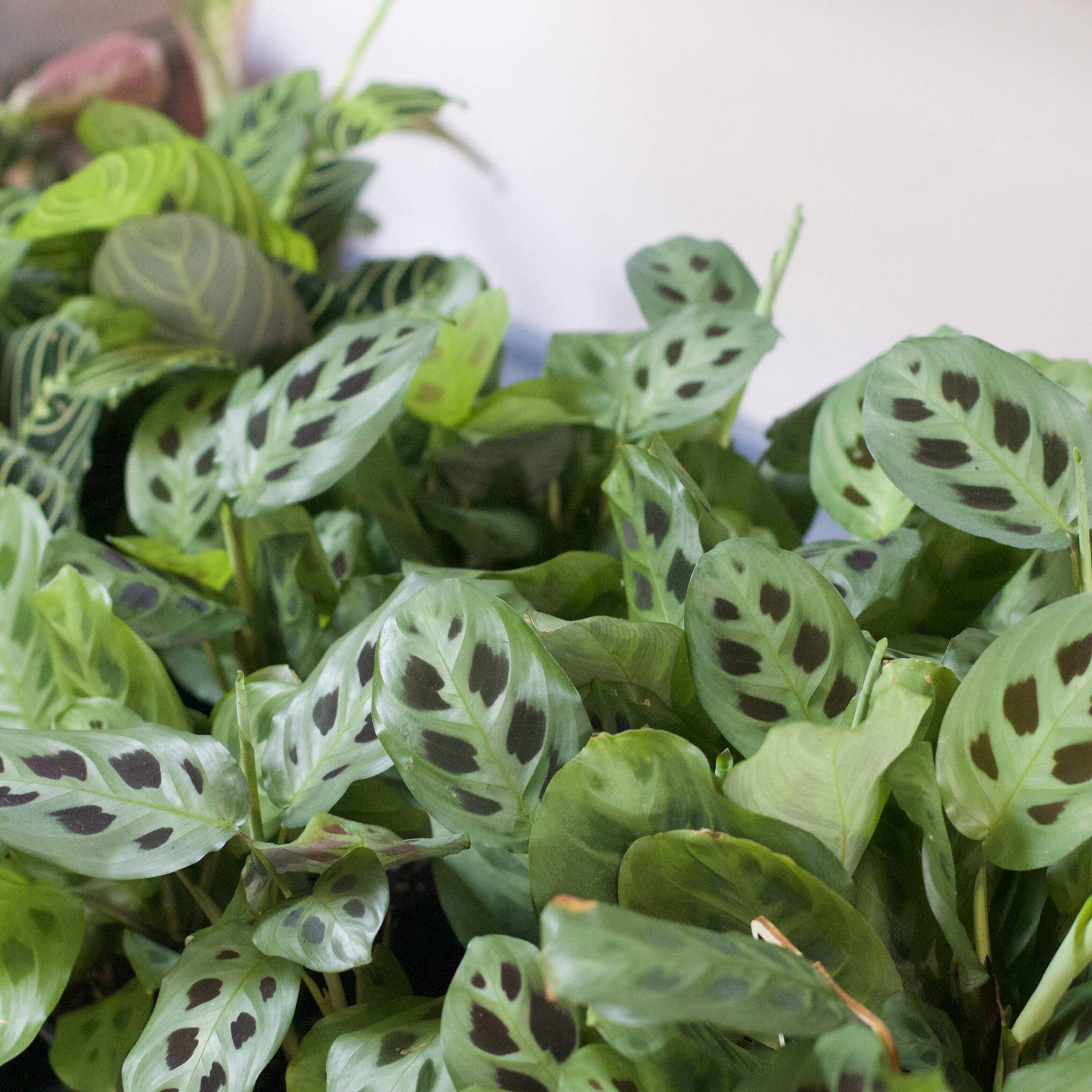
As plant parents, we naturally gravitate toward greenery because we love nature. Bringing the outdoors in is, in itself, an eco-conscious choice. Plants clean our air and boost our mental well-being, However, the hobby can sometimes come with a hidden footprint of plastic nursery pots, peat-based soils, and discarded plants.
The good news? Moving toward a zero-waste indoor garden is easier than you think. Here are seven ways to make your plant habits greener.
Before you reach for a brand-new pot or prop jar, look at what you have. Glass jars, tins, and even old wooden crates can become beautiful homes for your plants.
- If a container doesn't have a drainage hole, use it as a "cachepot" - keep the plant in its plastic liner and simply set it inside the decorative vessel.
- Plastic Pots: Never throw away those black plastic nursery pots! Wash them with a bit of soap and water and save them for your next repotting project.
You don't always need a bag of store-bought additives to give your plants a boost. Your kitchen is full of things you can put to use.
- Coffee Grounds: Rich in nitrogen, dried coffee grounds can be mixed sparingly into the soil of acid-loving plants.
- Eggshells: Crushed eggshells provide a slow-release calcium boost. Just make sure to rinse and dry them thoroughly before tilling them into the dirt.
- Cinnamon: A little cinnamon on top of your soil can help deter fungus gnats.
The most sustainable plant is the one you already have. Instead of buying a new plant, take a cutting from your favorite one you already own.
- Propagation reduces the carbon footprint associated with shipping and transporting new plants, and it costs nothing. Plus, a plant grown from a cutting is already acclimated to the light and humidity of your specific home!
When you prune your plants or find a stray yellow leaf, don't toss it in the trash. These organic materials are nutrient-dense.
- If you have an outdoor compost bin, add your plant trimmings there. Eventually, that compost will turn into something you can use to top-dress your pots next spring.
Look for soil mixes that use sustainable ingredients.
- Many standard potting soils rely heavily on peat moss, which is not considered sustainable to harvest. Peat moss is harvested from non-renewable peat bogs that take thousands of years to form, destroying ecosystems and releasing large amounts of stored carbon dioxide into the atmosphere. Alternatives to peat include coconut coir, barks, and compost. These materials retain moisture beautifully without damaging delicate ecosystems.
- We carry Rosy Soil in stores which is completely free of peat, and packed with nutrients your plants will love, come try it out! To read more on what makes this soil so great, check out our blog, All About Rosy.
After feeling defeated by a plant, it’s tempting to toss it the moment it looks a little sad. But most plants are incredibly resilient.
- Before discarding a struggling plant, check the roots, adjust the light, or treat for pests. Reclaiming a "rehab" plant is one of the most rewarding parts of being a plant parent and keeps organic waste out of the landfill.
If you’ve done an audit and realized a certain plant just isn't sparking joy anymore, don't throw it away.
- Offer it to a neighbor, post it in a facebook group, or bring it to a plant swap. Someone else might have the perfect spot that your struggling plant has been dreaming of.
Being an earth-friendly plant parent isn't about being perfect, it’s about making intentional choices. By reusing what we have and feeding our plants from our own kitchens, we create a hobby that truly gives back to the planet.
As always, our in-store employees are also available to provide personalized guidance and assistance with your plant questions. If you're looking for more expert advice, exclusive content, and a community of fellow plant lovers, be sure to sign up for our newsletter below!